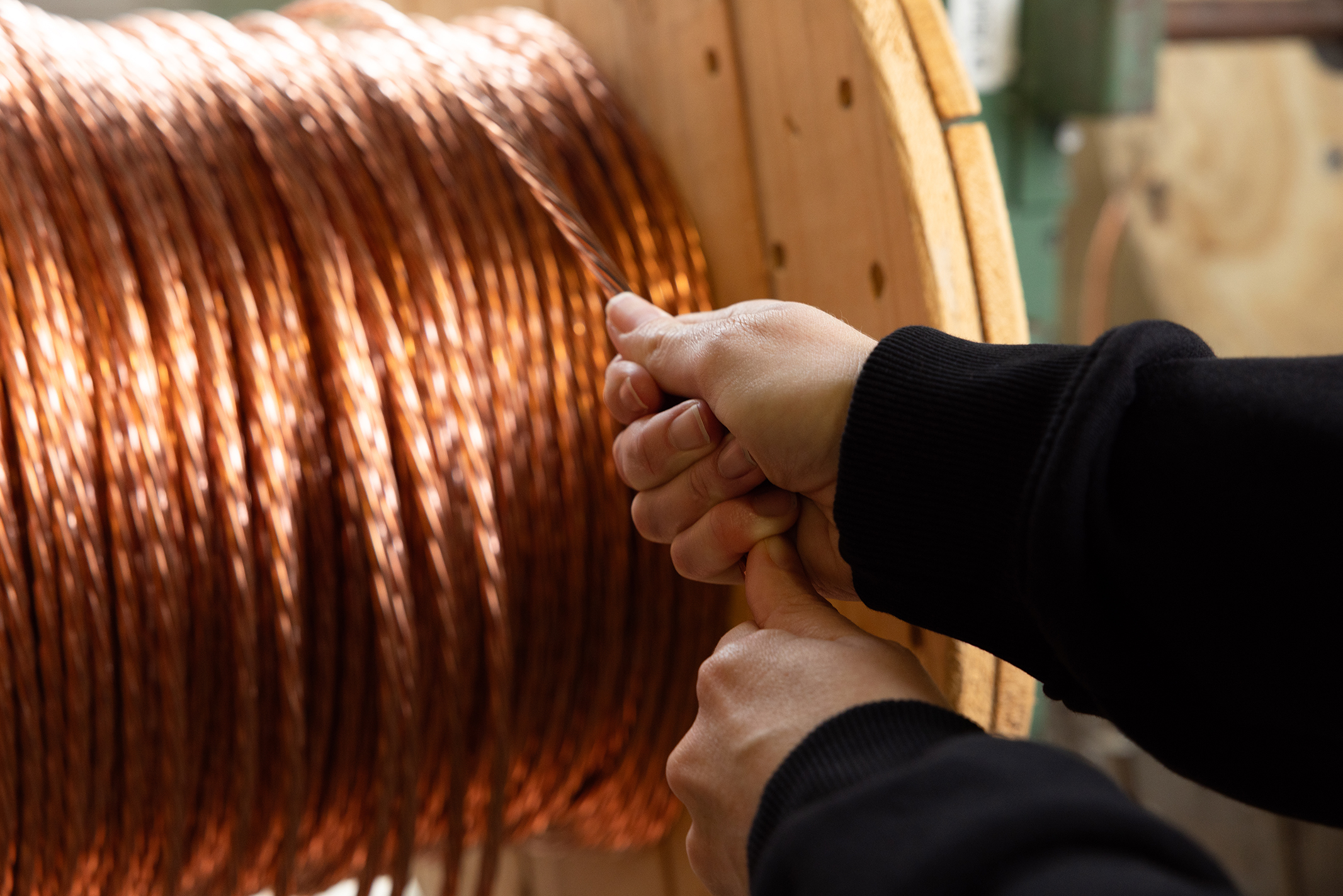
Electrical infrastructure powers the homes, businesses and public services our communities rely on every day. When copper is stolen from electrical systems, the consequences can extend far beyond damaged property.
Copper theft can expose live electrical equipment and compromise important safety systems. This can create shock and fire hazards that can cause serious injury or death.
In some situations, damaged electrical infrastructure may remain hazardous long after the theft has occurred. Because electrical hazards are not always visible, members of the public, utility workers and first responders may be exposed to danger without realizing it.
Copper theft also affects the communities we live in. Damage to electrical infrastructure can disrupt electricity, telecommunications and other essential services that the public, businesses and public facilities rely on every day.
Recent changes to the Criminal Code, including the federal government’s Bill C-14, have strengthened penalties for those who target or damage essential infrastructure.
However, preventing injuries and protecting communities also requires continued awareness, vigilance and collaboration among local partners.
When it comes to copper theft, members of the community should:
- Know the Risks
Damaged electrical equipment should always be treated as potentially hazardous.
Never approach cut wires, damaged utility equipment or restricted electrical infrastructure. If you encounter a downed powerline, stay back at least 10 metres.
- Understand the Impact
Copper theft can result in service interruptions, community disruption and costly repairs.
Protecting infrastructure helps keep communities safe, reliable and connected.
- See Something, Say Something
If you see suspicious activity around any electrical infrastructure:
- Stay at least 10 metres away from a downed powerline.
- Report suspicious activity to the police at (905) 825-4777. If there is an emergency or an immediate threat to safety, call 9-1-1.
- Report damaged infrastructure to Burlington Hydro at 1-877-310-4937.
By understanding the risks and reporting concerns safely, everyone can help protect their community.