
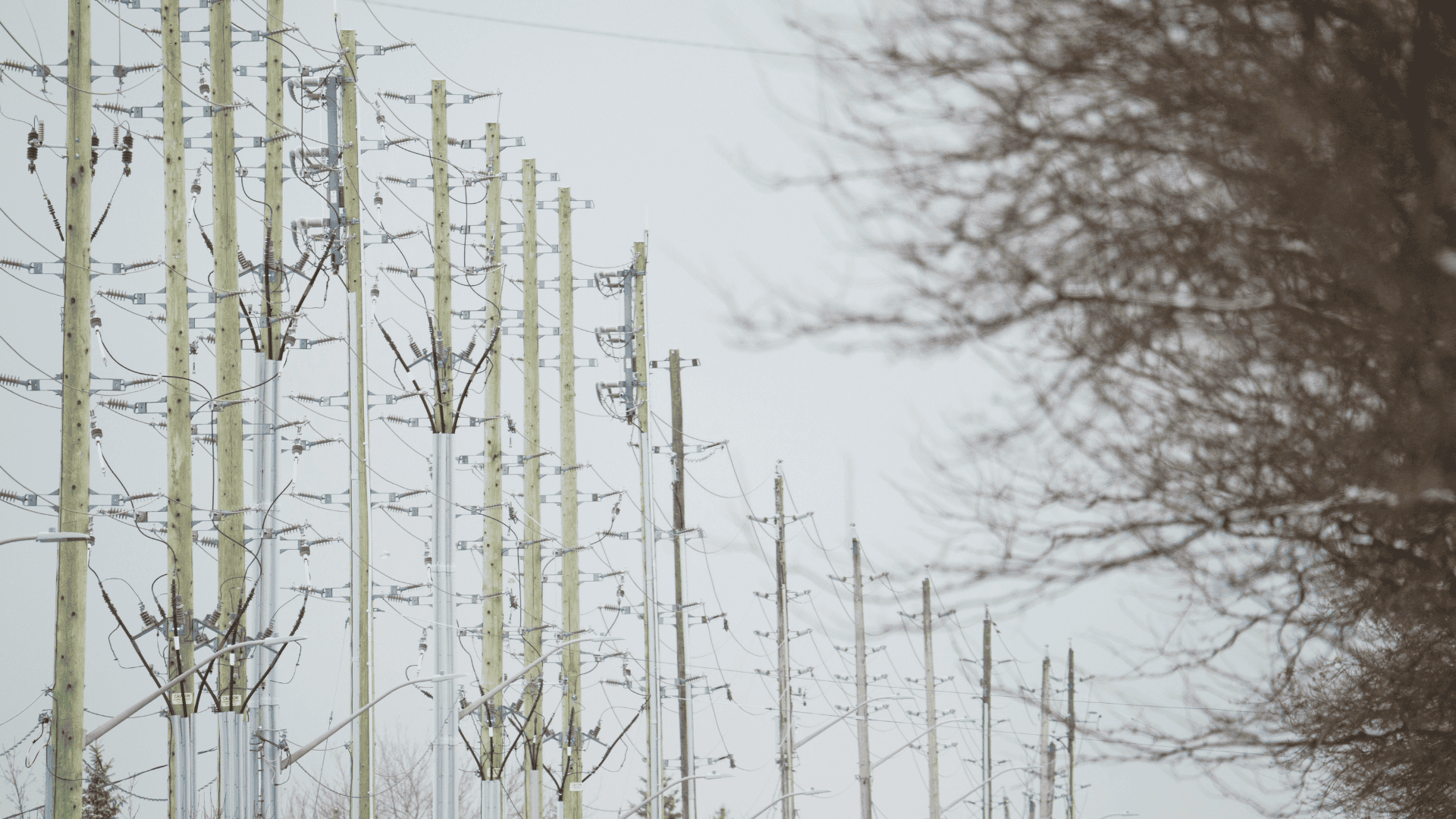
Ontario’s electricity system is a complex, interconnected network designed to deliver safe, reliable power to homes, businesses, and industries across the province. From generation and transmission to local distribution, every component plays a vital role in keeping communities energized and supporting a sustainable future.
Home Energy Planning Systems & Solutions Ontario’s Electricity System
Powering Communities Today and Tomorrow
How Ontario’s Electrical System Works
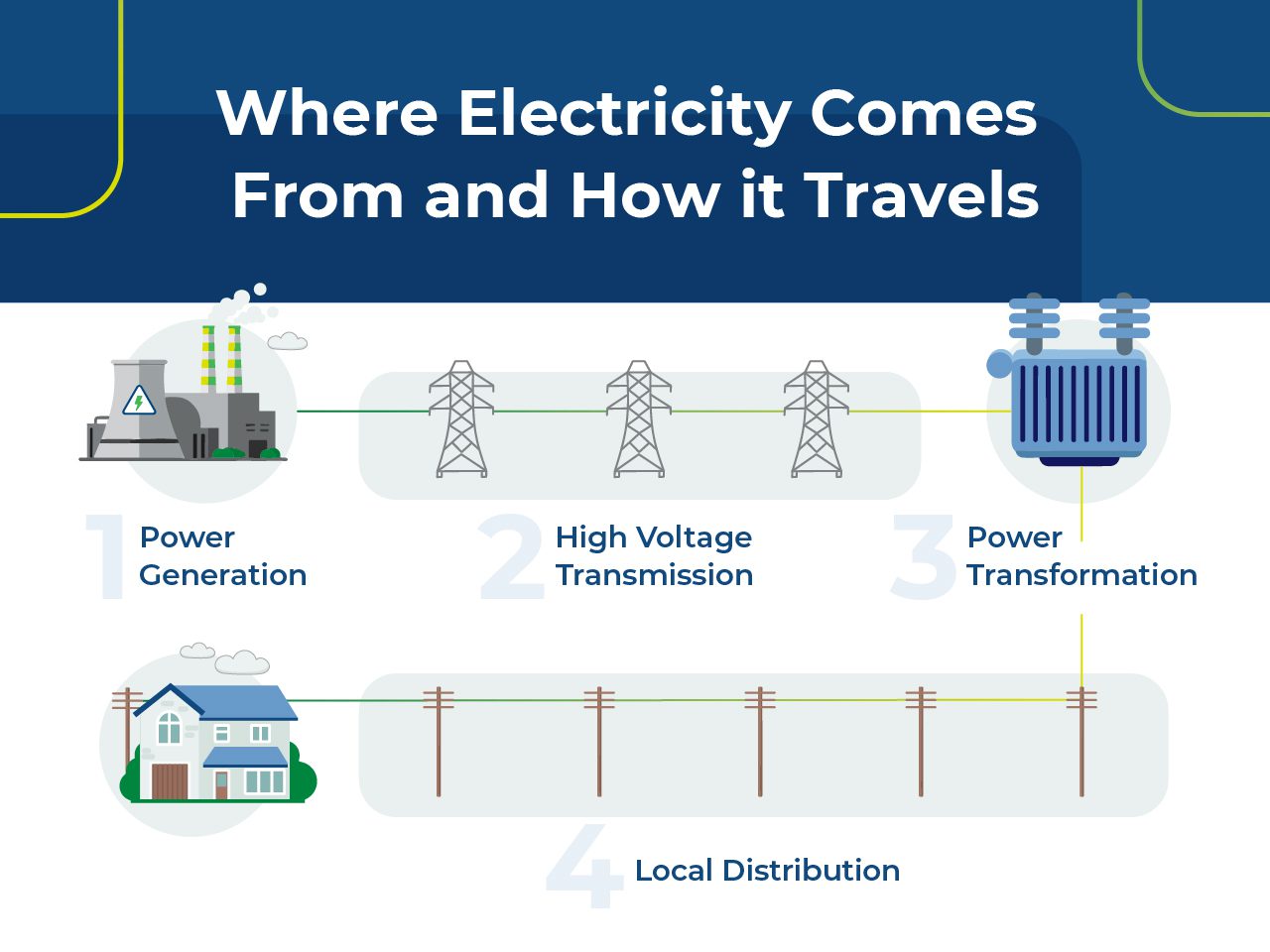
Ontario’s electricity system is owned and operated by public, private, and municipal corporations across the province. It is made up of three key components: generation, transmission, and distribution.
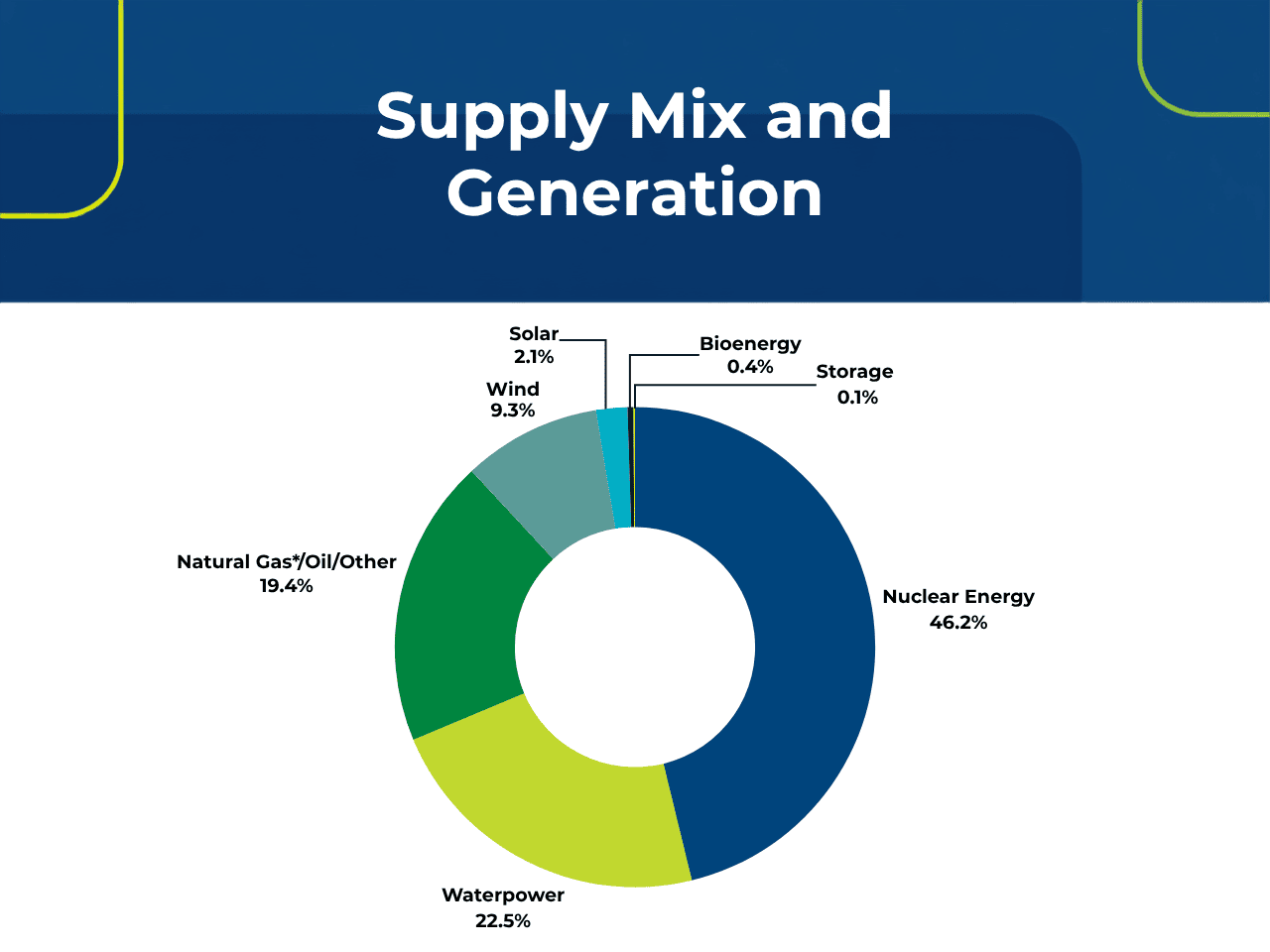
Electricity begins at generation facilities (hydroelectric, nuclear, natural gas, and renewable sources) before travelling through high-voltage transmission lines to local utilities like Burlington Hydro. Here, the electricity is stepped down to lower voltages and distributed through neighbourhood infrastructure, ensuring power reaches you safely and efficiently.
Modernizing the Grid with Energy Storage
Ontario’s grid is evolving to meet growing energy demands and integrate renewable sources. Energy storage systems are key to this modernization, providing flexibility and resilience. By storing excess energy during low-demand periods and releasing it during peak demand, these systems help maintain reliability, reduce grid strain, and support a cleaner energy future.
Ontario’s grid is evolving to meet growing energy demands and integrate renewable sources. Energy storage systems are key to this modernization, providing flexibility and resilience. By storing excess energy during low-demand periods and releasing it during peak demand, these systems help maintain reliability, reduce grid strain, and support a cleaner energy future.
Anatomy of a Hydro Pole
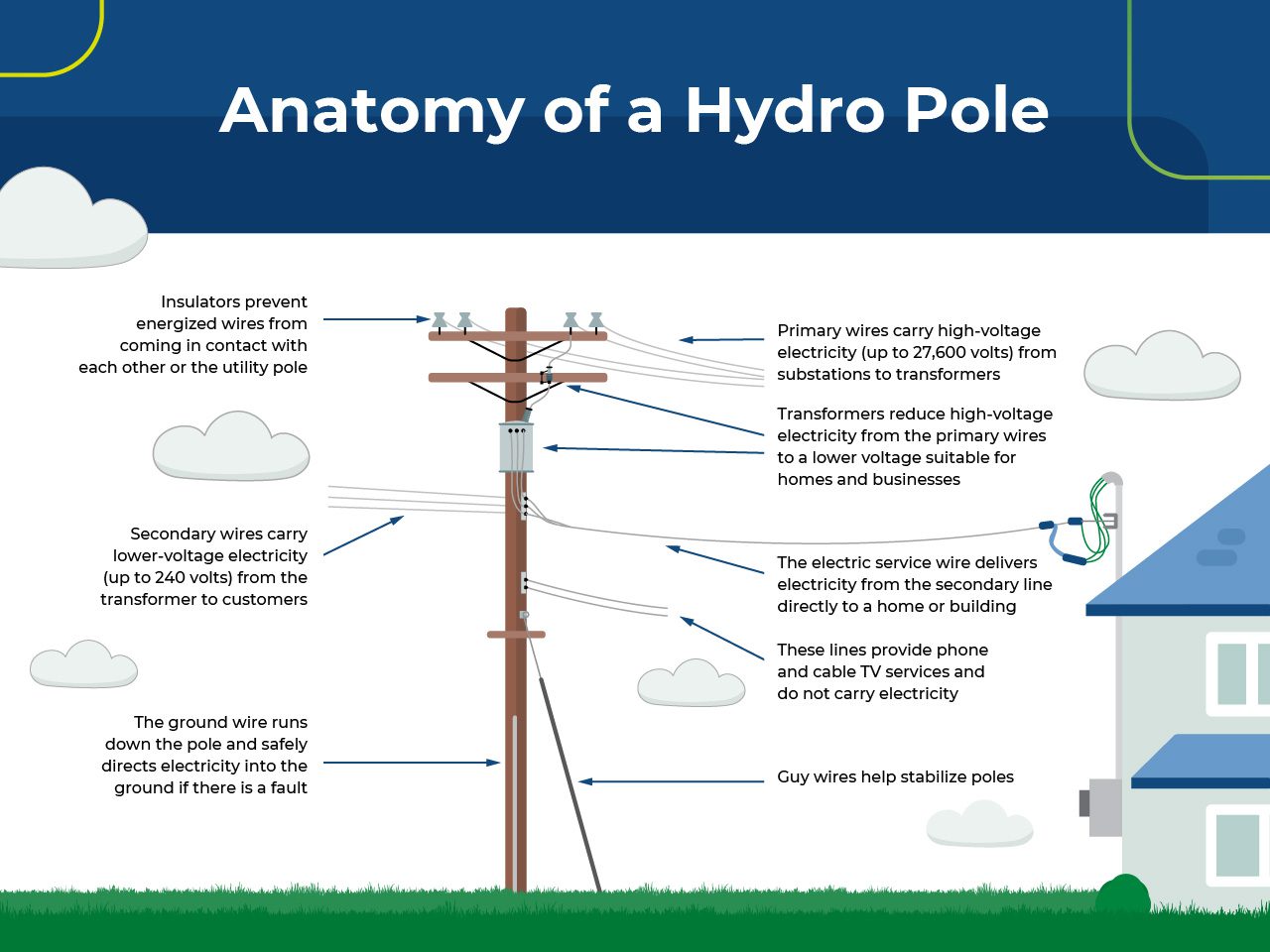
Hydro poles are more than just wooden structures. They’re essential hubs for electricity distribution. Each pole carries multiple components, including conductors, transformers, insulators, and grounding systems, all working together to deliver power safely. Understanding these elements highlights the complexity behind the simple act of turning on a light.
Where Does My Electricity Bill Go?
Every item and charge on your electricity bill is mandated by the provincial government or regulated by the Ontario Energy Board (OEB). While Burlington Hydro collects payment for the entire bill, it retains only the distribution portion of the delivery charge. This portion covers the cost of maintaining local infrastructure and customer service.
Distribution (ie. Burlington Hydro’s share) makes up about 25% of a typical residential customer’s bill. The remainder goes to provincial transmission companies, power generation companies, the government, and regulatory agencies. The delivery charge also includes Hydro One transmission costs and system losses.
Electricity Charges
Your bill includes a line item called Electricity. This is the cost of the electricity that you used during the billing period. For residential and small business customers that buy electricity from their utility, there are three different types of rates. The Ontario Energy Board sets rates once a year on November 1.
Delivery Charges
This is the cost of delivering electricity from generating stations across the province to your home or business through high voltage (transmission) and low voltage (distribution) power lines.
The Ontario Energy Board sets delivery rates for electricity utilities in the province. Some of the delivery charges are “fixed,” meaning the same amount no matter how much electricity you use in each month. Other charges vary depending on how much electricity you use.
Delivery charges include:
- Customer Service Charge: A fixed charge for costs related to meter reading, billing, customer service and account maintenance, and for general utility operations.
- Distribution Charge: A variable charge for the cost of building and maintaining the distribution system, including overhead and underground power lines, poles and transformer stations.
- Transmission Charge: A variable charge for the costs of transmitters to operate and maintain the high-voltage transmission system that carries electricity from generating stations to your utility.
- Line Loss Adjustment: It is normal for a small amount of power to be lost as it travels over the utility’s power lines to your home or business. In calculating your electricity costs for the billing period, your utility multiplies your electricity cost by an adjustment factor that accounts for those losses
Regulatory Charges
Regulatory Charges are set by the OEB. These charges include the cost of services required to operate the electricity system and run the wholesale market. The majority of these charges are variable and increase or decrease depending on the amount of your adjusted usage.
Why It Matters
A reliable electricity system powers everything we do, from heating homes to running businesses and charging electric vehicles. Burlington Hydro is committed to maintaining this system with care, reliability, and a focus on safety, ensuring that Ontario’s communities have the energy they need today and for generations to come.
A reliable electricity system powers everything we do, from heating homes to running businesses and charging electric vehicles. Burlington Hydro is committed to maintaining this system with care, reliability, and a focus on safety, ensuring that Ontario’s communities have the energy they need today and for generations to come.